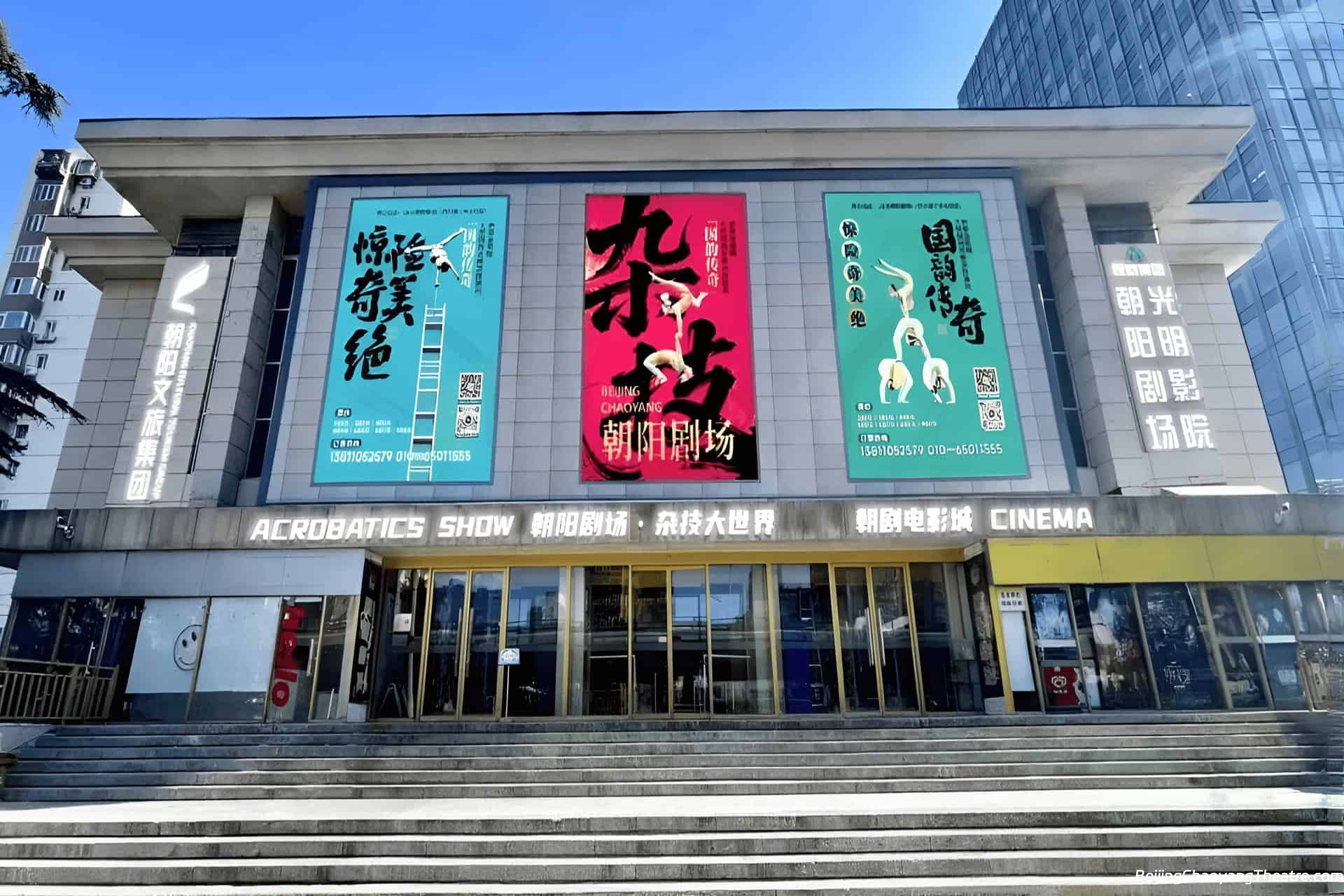
On the evening of December 16, the large-scale original modern Pingju opera The New Great Wall from Qian'an City, Hebei Province, was performed at Beijing Chaoyang Theater. "The green waters of the Qingluan River surge in waves; maple leaves stain the pines in the ravines red. Chinese sons and daughters have extraordinary aspirations, willingly shedding their blood to forge a great wall!" The powerful and resonant Pingju singing transported over a thousand spectators across time and space, immersing them in the scene of the War of Resistance Against Japanese Aggression at the foot of the Great Wall.
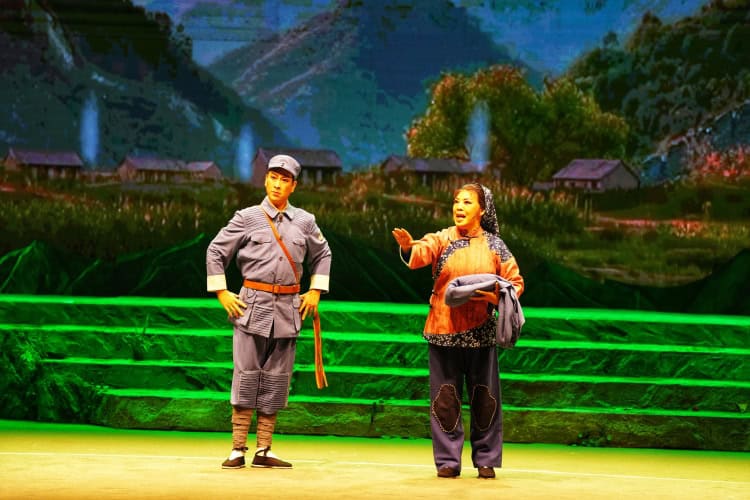
To commemorate the 80th anniversary of the victory of the Chinese People's War of Resistance Against Japanese Aggression and the World Anti-Fascist War, and to deeply inherit the red gene and continue the spiritual bloodline, the Propaganda Department of the Qian'an Municipal Committee and the Qian'an Bureau of Culture, Radio, Television and Tourism organized and planned the production. The Qian'an Art Troupe of Yanshan (Hebei) Cultural Tourism Development Group Co., Ltd. meticulously rehearsed The New Great Wall. The opera runs approximately 110 minutes and is led by Zhao Jilan, a renowned master of the Pingju Hua school and a national first-class actress, alongside over 50 talented actors, including local Qian'an young actor Zhou Changhong.
The opera deeply integrates the red gene with Qian'an's regional characteristics. It is a powerful red-themed work focused on the history of the War of Resistance Against Japanese Aggression along the Great Wall in eastern Hebei. Drawing from real-life martyrs of the War of Resistance Against Japanese Aggression from the local area — such as Liu Hutou, Shi Feng, and Wu Cuiying — it vividly portrays the desperate struggle of the military and civilians at the foot of the Great Wall to protect iron ore resources from the Japanese invaders. The plot not only showcases touching scenes of deep affection between the army and the people but also depicts the moral transformation of Japanese engineer Tanaka Linjian, who is moved to side with justice. Furthermore, through the tragic and heroic story of the "Ying-sao family" (Sister-in-law Ying's family) sacrificing themselves for righteousness, the opera powerfully presents the spirit of resistance of revolutionary martyrs who fearlessly gave their lives.
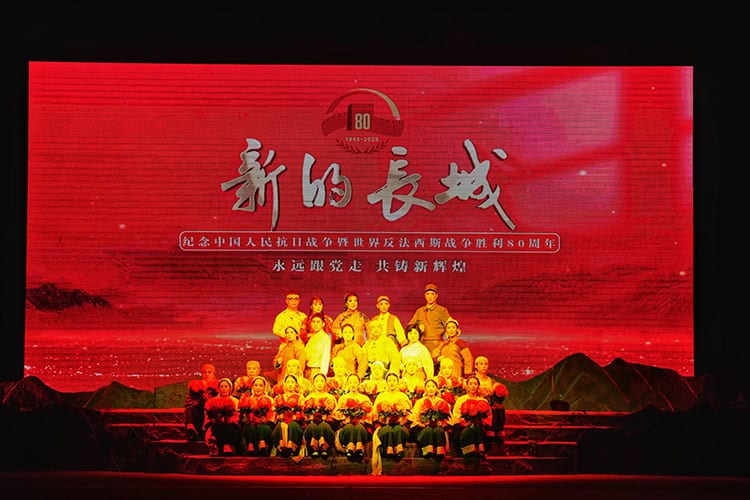
Director Li Xianfa stated: "Qian'an has two great walls: one is the Ming Great Wall, and the other is the 'iron and steel great wall' of industry. Our opera The New Great Wall combines these two. It reflects the heroic deeds of Qian'an's revolutionary martyrs during the war and presents the magnificent picture of the Chinese Communist Party leading the nationwide resistance against Japanese aggression. It highlights the importance of both of Qian'an's 'great walls.' Rehearsing The New Great Wall shows how the Chinese people used their flesh and blood to form a new great wall, and also promotes the spirit of the Great Wall and the spirit of China."
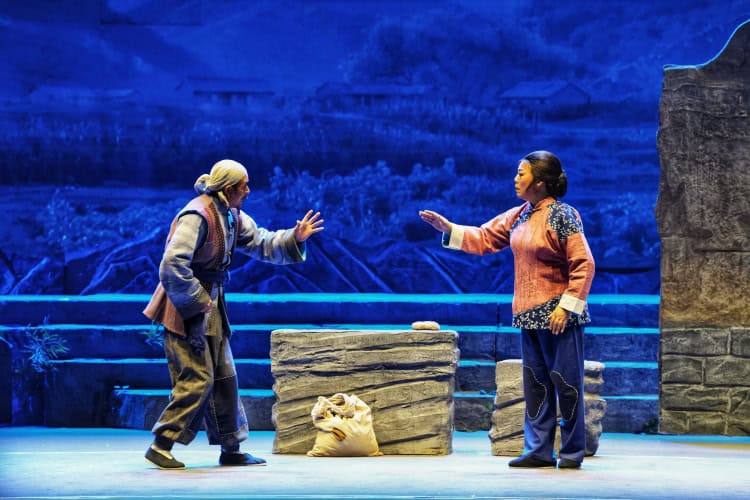
Qian'an is the birthplace of Chinese Pingju opera. The Qian'an Art Troupe is listed as a protected unit for the intangible cultural heritage of Pingju opera, with its predecessor, the Pingju Opera Troupe, founded in 1951. Over the years, Qian'an has meticulously rehearsed excellent Pingju works such as Empress Wende and Ren Yi Hutong, cultivated outstanding Pingju performers like Meng Fanlong and Zhou Changhong, and continuously carried out activities such as opera in rural areas, opera in schools, and Pingju amateur competitions, averaging over 200 performances per year.
Peng Jianxing, deputy head of the Qian'an Art Troupe, said: "Since its dress rehearsal premiere on June 5, The New Great Wall has been performed eight times, with nearly ten thousand spectators watching live and giving high praise. Our production has also been broadcast on television channels such as the Liyuan Channel and Hebei Acrobatics Channel, as well as promoted on short video platforms like Douyin and Kuaishou, accumulating over 700,000 views."
After the performance, Li Xiaoyang, a Qian'an native now living in Beijing, said excitedly: "As someone from Qian'an working hard in Beijing, I never imagined my hometown could bring its local War of Resistance story to a Beijing stage. Using the traditional art form of Pingju opera to perform this red history is both down-to-earth and deeply moving. After watching, I feel even prouder to be from Qian'an. The 'Great Wall spirit' forged with the flesh and blood of our martyrs remains our motivation to strive."
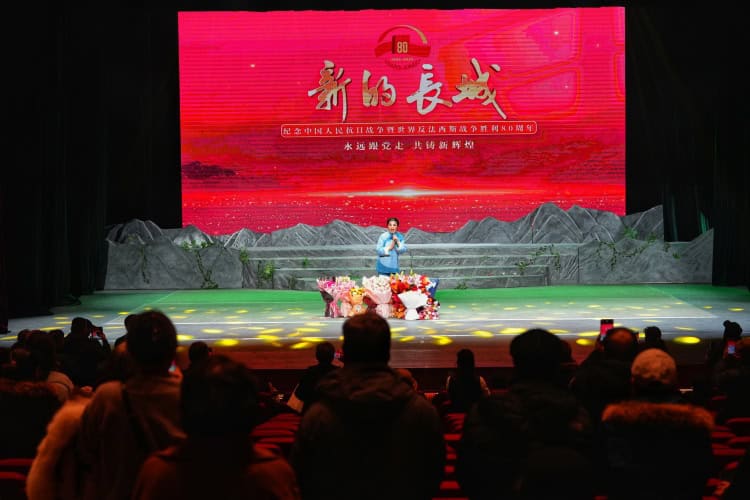
The New Great Wall is one of the fruits of Qian'an's continuous efforts to promote the creation of outstanding artistic works. On September 10, as the sole representative production of Tangshan City, it participated in the Hebei Province Excellent Stage Art Works Exhibition commemorating the 80th anniversary of the victory of the Chinese People's War of Resistance Against Japanese Aggression and the World Anti-Fascist War. In November, the opera was featured at the 13th Pingju Opera Festival and won the award for "Outstanding Production."
In recent years, Qian'an has persisted in empowering urban development through culture, with continuous upgrades to public cultural services. The Qian'an Museum was elevated to a national second-level museum. The Xuanyuan Yellow Emperor cultural series of events are held annually. A total of 169 cultural venues and master studios, including Chunrui Academy and Guobao Shadow Puppet Heritage Center, carry out over a thousand cultural benefit activities each year, reaching 150,000 people. In the field of artistic creation, Qian'an has successively launched excellent works such as The Ballad of the Great Wall. Embracing the Chestnut Tree won the 11th Bingxin Prose Award. The original song My Hometown Qian'an has over five million plays online. On November 14, the film Seeking Bricks, shot entirely on location in Qian'an and telling a story of protecting the Great Wall, was released in cinemas nationwide.